Preservation
SOCIETY PROJECTS:
Lineage and Historical Records
to copy and place unpublished or rare lineage and historical records in the Society's collection and in state and local libraries. Examples include: Bible records, cemetery records, grave marker transcriptions, church records of baptisms, marriage, deaths, and membership rolls, county courthouse records of marriages, abstracts of probate files, deeds and court orders, genealogical abstracts of newspaper items, and personal papers, letters, and diaries.
Historical Landmarks
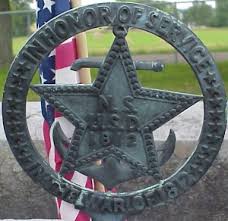
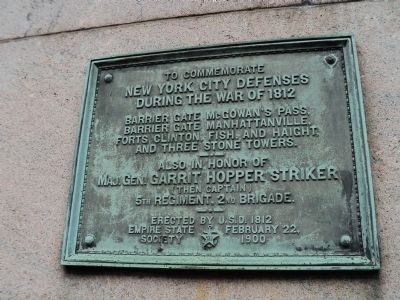
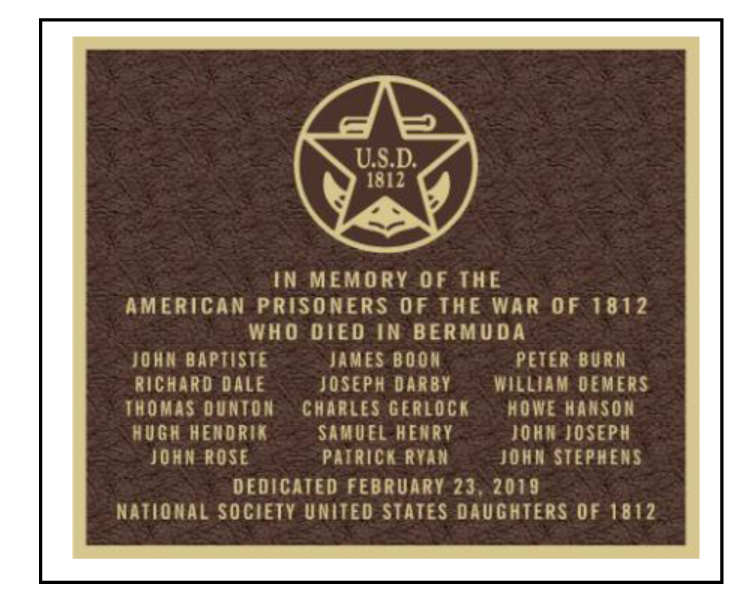
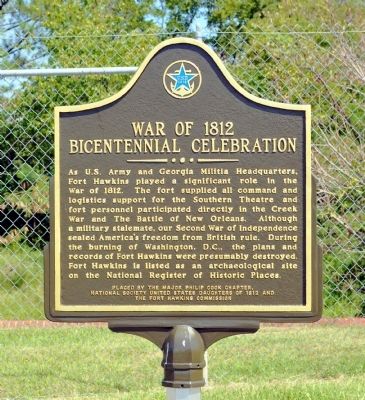
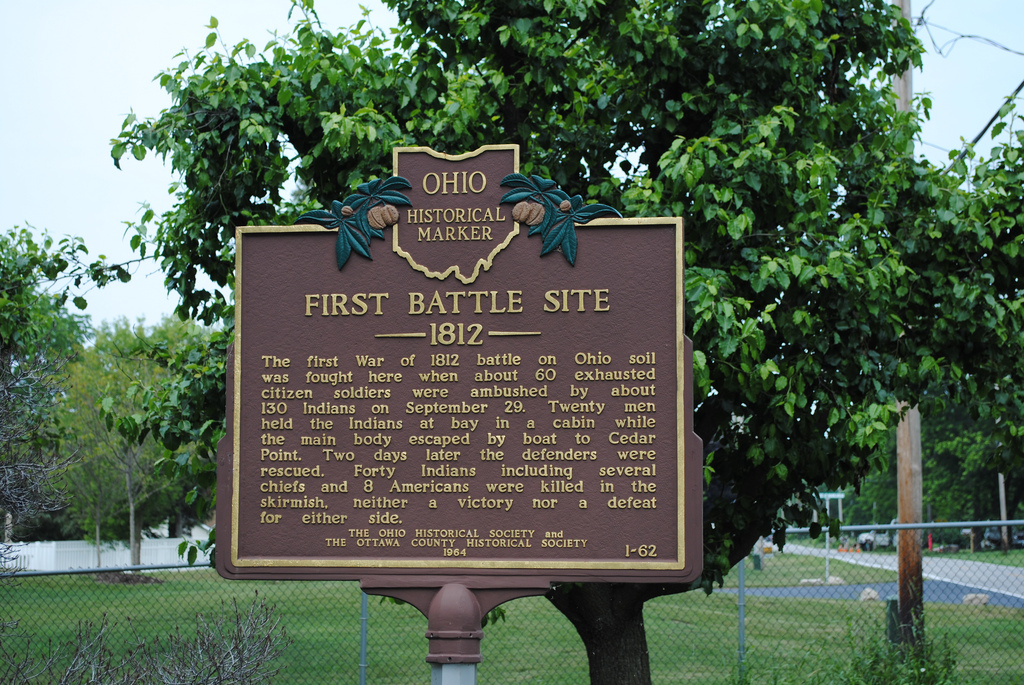
to mark, dedicate,re-dedicate, and record historic landmarks pertaining to the period 1784-1812 and to place on file in our Memorial Library a record of these markers.
Markers and Grave Locations
to recognize Americans who shaped our government by placing memorial markers on grave are accessible in the following databases:
- Ancestors who rendered military, naval, or civil service from 1784-1815
- Real Daughters and Real Granddaughters Database of our patriot ancestors and members of the Society
Markers and Grave Locations details may be obtained through the copy service form located on Memorial Library page.
SUPPORTED HISTORICAL SITES:
Chalmette Battlefield is the location of the Battle of New Orleans. In December 1812 to January 1815, American forces, under Major General Andrew Jackson (later President Jackson), defeated the British, leading to their retreat and, ultimately, to their complete withdrawal from America.
Fort McHenry National Monument and Historic Shrine occupies a permanent position among the historic shrines and monuments of our country by reason of its special meaning American History. It was a glimpse of the American flag waving defiantly over the ramparts of Fort McHenry that inspired Francis Scott Key to compose our national anthem.
The Natchez Trace Parkway, part of the National Park Service, is a 444-mile drive through exceptional scenery and 10,000 years of North American History from Nashville, Tennessee, through Alabama to Natchez, Mississippi. This Society promotes the important role the Trace played in the War of 1812.
Old Fort Niagara played a great part in the early development of our country. The French built the fort in 1726 to further their fur trade with the Native Americans. Because of its strategic locations, the nation that controlled the fort could control the waterway into the interior of America. Fort Niagara played an important role in the French and Indian War, the Revolutionary War, and the War of 1812.
River Raisin National Battlefield Park preserves, commemorates, and interprets the January 1813 battles of the War of 1812 and their aftermath in Monroe and Wayne counties in southeastern Michigan. The Battled resulted in the greatest victory for Tecumseh's American Indian confederation and the greatest defeat for the U.S. against the British. The resulting rally cry, "Remember the Raisin," spurred support for the rest of the war.
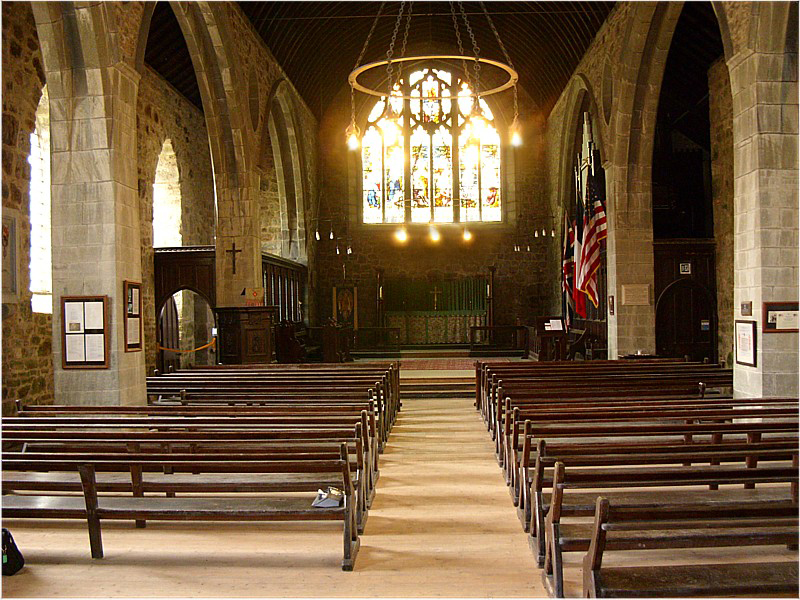
The St Michael and All Angels Church is now one of 350 churches owned by the Churches Conservation Trust (CCT) in the UK. Daughters of 1812 recognizes it due impart to it being partially built by the American prisoners of war during the War of 1812. The prisoners were held in Dartmoor Prison in the village of Princetown, county of Devon, on 02 April 1813 and eventually totaled 6,553, of which 271 are known to have died. St. Michael and All Angels Church is the only church we are aware of that was built by American prisoners of war on foreign soil. The Society installed a stained-glass memorial window on June 4, 1910. It was dedicated to the, "American prisoners of war who were detained in the Dartmoor Prison, who helped to build this church and especially, of the 271 brave me who died here."